Third Party Bicycle Insurance: Public Liability for UK Cyclists
UK third party bicycle insurance and public liability for cyclists: cycle liability cover for injury or property damage to others, and how it differs from theft and damage cover.
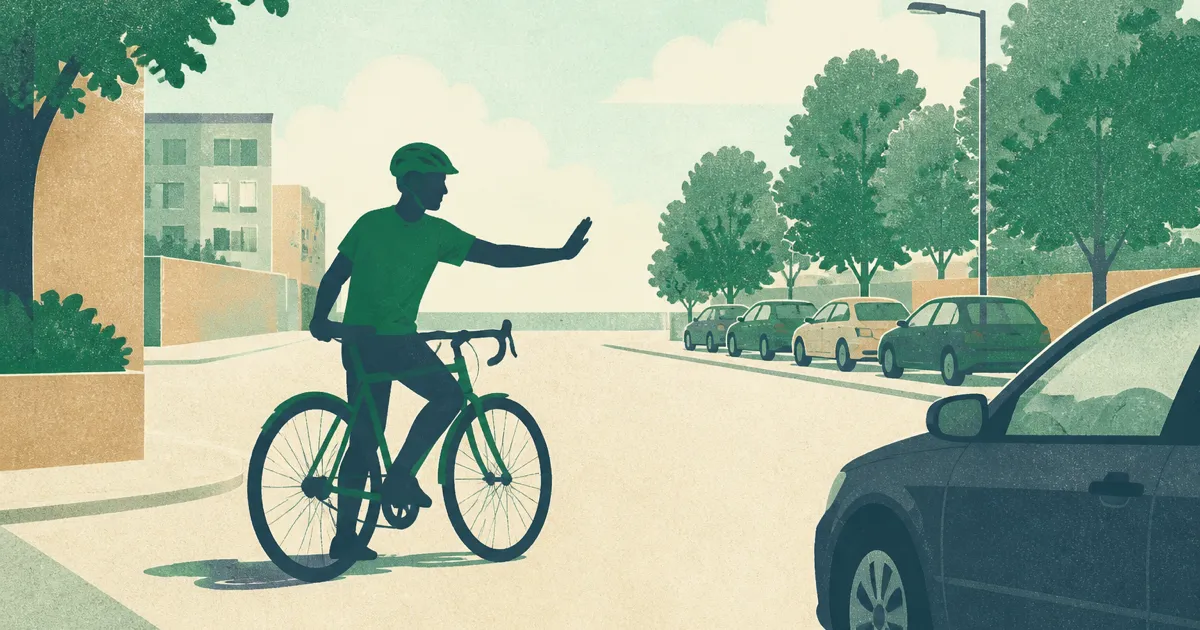
The short answer: Third party bicycle insurance in the UK is public liability cover while you ride a pedal cycle: financial protection if you injure someone or damage their property. Cycle liability insurance and public liability insurance for cyclists mean the same idea. It is separate from theft cover for your own bike, and it is not mandatory motorcycle third party insurance.
Most cycle insurance marketing leads with theft and accidental damage. Third party bicycle insurance answers a different question: what happens if you cause harm to someone else or their property while riding?
This page is Pedly’s owner guide for third party, cycle liability, and public liability searches aimed at pedal cyclists. UK "third party bike insurance" results sometimes surface motorcycle products. Motorcycle third party cover is a legal requirement for powered two-wheelers. Pedal cycle liability cover is optional and built on different terms.
Our bicycle insurance pillar explains the full UK cycle cover picture. This guide focuses on liability: what it covers, how it differs from theft cover, and when to buy it standalone or bundled.
What third party and cycle liability cover mean
Third party bicycle insurance typically means public liability while cycling. Searchers also say cycle liability insurance or public liability insurance for cyclists. If a pedestrian steps into your path and you collide, or you scrape a parked car avoiding a pothole, a third-party claim may follow.
Liability cover pays legal costs and compensation up to policy limits when you are found responsible. Limits and exclusions vary by insurer. Read the schedule rather than assuming unlimited protection.
This is not insurance for your own injuries or your own bike. Personal accident benefits and accidental damage to your frame sit in different sections, if offered at all. See our cycling personal accident insurance guide for what that separate section typically pays out.
Membership packages from organisations such as British Cycling sometimes include liability for members. That can sit beside or instead of a specialist cycle schedule. Read british cycling insurance if you already hold club cover and want to avoid paying twice for the same liability limit.
How it differs from theft and damage cover
Theft cover protects your bike when stolen. Accidental damage cover protects your frame and components when you crash or hit a pothole. Third party cover protects you against claims from other people.
You can hold one without the other in theory, though bundled specialist policies are common. A rider with a low-value bike and strong home theft cover might still want liability for busy urban commuting.
Bundled policies often price liability as an optional extra. Compare the incremental cost against buying liability standalone through a cycling membership or separate product.
See what does cycle insurance cover for how theft, damage, and liability sections sit together on typical UK schedules.
Third party bicycle insurance vs motorcycle third party
Motorcycle third party insurance is compulsory under UK road traffic law for powered two-wheelers. It covers injury and damage you cause to others while riding a motorbike. Premium reflects engine size, rider age, and claims history on a registered vehicle.
Pedal cycle liability is optional. No registration plate, no road tax class, no continuous insurance requirement to ride a bicycle. The products share a label in casual speech and little else.
If a comparison site quotes "third party bike insurance" without confirming pedal cycle definitions, stop. You may be quoting motorcycle cover that does not apply to your commuter bike. Our pedal cycle insurance guide explains how UK schedules define pedal cycles.
When liability matters most
Urban commuters face more pedestrian and vehicle interactions than leisure riders on quiet lanes. A single liability claim without cover can mean legal fees and compensation from personal funds.
Family cyclists carrying children may want liability cover for peace of mind, though careful riding and appropriate passenger limits remain essential. Cover does not remove duty of care.
Group rides and sportives increase exposure to other participants and roadside property. Some policies restrict cover during organised racing. Confirm leisure and commuting scope before you enter events.
Delivery riders using pedal cycles for paid work may need commercial liability terms. Standard leisure policies often exclude paid carriage. Read occupation and use exclusions carefully.
Standalone liability vs bundled cycle cover
Standalone third party bicycle insurance appears through cycling organisations, specialist brokers, and some membership packages. It can suit riders who already have theft cover via home insurance but want road liability.
Bundled specialist cycle policies combine theft, accidental damage, and optional liability on one schedule. One renewal date and one claims contact simplifies administration for many households.
Compare total cost and cover limits both ways. A cheap standalone liability product plus home theft cover may beat an all-in-one policy, or vice versa, depending on bike value and away-from-home use.
Our cycling insurance guide covers how UK insurers use overlapping terms for pedal cycle products. Names change. The schedule defines what you actually hold.
Typical limits and exclusions
Public liability limits on cycle policies commonly sit in the low millions of pounds for serious injury claims, but exact figures vary. Check the limit and any per-claim sub-limits.
Exclusions often include deliberate acts, illegal riding, and use outside policy definitions such as paid courier work or racing. Intoxication exclusions may apply as with other liability products.
Liability cover responds when you are legally responsible. Disputed fault claims still incur legal costs. Cover for defence costs matters as much as the compensation limit.
Damage to property you own or hire is usually excluded. Scraping your own car in the driveway falls outside third party cover by definition.
Relationship to home and travel insurance
Home contents policies sometimes include personal liability for domestic life but rarely extend to active cycling on the road. Do not assume your home policy covers a collision on a commute without reading the activity exclusions.
Travel insurance may include limited sports liability abroad. UK daily commuting needs UK cycle-specific wording. Overlap checks prevent gaps and duplicate premium.
If you already hold liability through a cycling club membership, confirm whether it covers your daily commute and family passengers or only organised club activities.
Excess on liability claims
Excess structures on cycle policies usually apply per claim on theft and damage sections. Liability sections may carry separate excess rules or none at all. Read both.
Our bicycle insurance excess guide focuses mainly on theft and damage excess. Ask your insurer how liability claims interact with overall no-claims position if both sections sit on one policy.
Do you need third party cover if theft is already sorted?
Riders who rely on home insurance for a low-value bike may have theft handled but no road liability. Third party bicycle insurance fills that gap without forcing a full specialist theft policy.
High-value bike owners usually buy bundled cover anyway. Adding liability to a theft-and-damage policy is often a modest incremental cost compared with insuring an expensive frame.
The question is exposure, not bike value. A £300 hybrid in dense city traffic can generate the same third-party claim as a £3,000 road bike. Liability tracks human interaction more than declared value.
Choosing cover without overbuying
List your actual riding: commute, leisure, passengers, events, and any paid use. Match liability scope to that list before you pay for extensions you never trigger.
If bundled cover already includes adequate liability limits for your riding, standalone third party bicycle insurance adds little. If home cover handles theft but excludes cycling liability, standalone may be essential.
Read the schedule for racing, sportive, and off-road exclusions if those apply to you. Liability that excludes your main riding style is cosmetic cover.
Soft next steps
Browse related Pedly guides on the blog, including bicycle insurance, what does cycle insurance cover, british cycling insurance, cycling insurance, and pedal cycle insurance.
Frequently Asked Questions
What is third party bicycle insurance?
In the UK, third party bicycle insurance usually means public liability cover while you ride a pedal cycle: protection if you injure someone or damage another person's property. It is not the same as motorcycle third party road insurance.
Is public liability insurance for cyclists the same thing?
Yes in substance. Searchers say public liability insurance for cyclists or cycle liability insurance; schedules often say public liability or third party. All point at claims from others while you ride, not cover for your own bike.
Is third party bicycle insurance mandatory in the UK?
No. There is no legal requirement to hold liability insurance to ride a pedal bicycle on public roads. Many riders still carry it for financial protection against third-party claims.
Does standard bicycle insurance include third party cover?
Some specialist cycle policies bundle public liability with theft and damage. Others sell it as an optional extra. Home contents insurance rarely includes liability while actively cycling.
What is the difference between third party and fully comprehensive bicycle insurance?
On motor vehicles, those labels describe wide cover bands. For pedal cycles, "comprehensive" usually means theft and accidental damage to your bike plus optional extras. Third party bicycle insurance focuses on claims from others, not your own bike.
Does third party bicycle insurance cover me if I damage my own bike?
No. Liability cover responds to third-party injury or property claims. Damage to your own frame or components falls under accidental damage sections on a separate cycle policy, if included.
Is third party bicycle insurance the same as motorcycle third party cover?
No. Motorcycle third party insurance is a legal requirement for powered two-wheelers on the road. Third party bicycle insurance is optional liability cover for pedal cyclists and uses entirely different policy wording.