Cycling Insurance UK: Meaning, Cover, and Who Needs It
Cycling insurance in the UK is specialist pedal-cycle cover under a common search name. Here is what it usually includes and how to decide if you need it.
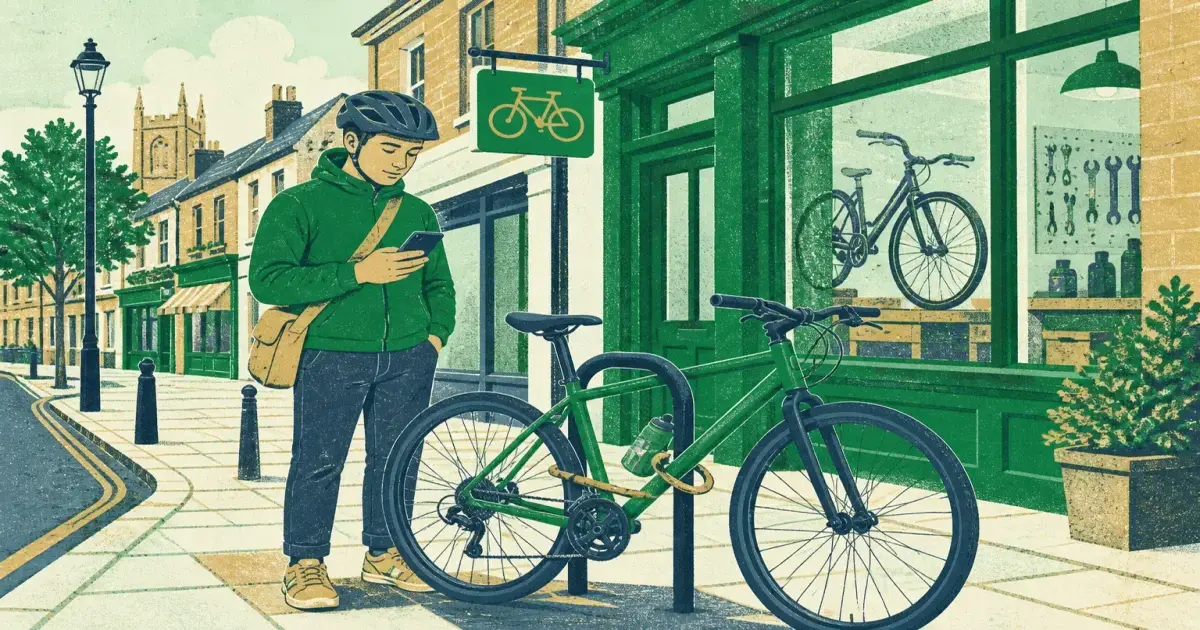
The short answer: Cycling insurance is the everyday UK name for dedicated pedal-cycle cover, usually theft and accidental damage, sometimes with liability. It is the same product families also sell as bicycle or cycle insurance. Read the schedule, not the page title, before you buy.
Search for cycling insurance in the UK and you will see the term used almost interchangeably with bicycle insurance and cycle insurance. That is not a mistake. Insurers and comparison sites use all three labels for the same specialist product built around pedal cycles, not motorbikes.
The confusion matters because "bike" is doing a lot of work in British English. It can mean a road bike, a hybrid, or a 125cc motorcycle, and search results for anything with "bike" in it often mix all three. This guide is about pedal cycles only. If a quote form asks for an engine size or a registration plate, you are in the wrong place.
Once the labelling question is settled, the more useful questions are who needs cycling insurance, what it typically includes, and how it differs from relying on a home policy. Our bicycle insurance pillar covers the full UK overview if you want the complete picture alongside this explainer. Riders who search cyclist insurance are usually looking for the same pedal-cycle product under another everyday label.
Cycling insurance, bicycle insurance, cycle insurance: one product, three labels
UK insurers rarely standardise their product names. A single specialist insurer might use "cycle insurance" on its homepage, "bicycle insurance" in a marketing email, and "pedal cycle" inside the actual policy schedule. Cycling insurance is simply another common search phrase for the same thing.
This matters at the point of comparison. Two quotes both labelled cycling insurance can define covered bikes differently, set different security conditions, or handle declared value in different ways. Read the schedule, not the page heading, before you decide one is better than another.
Our pedal cycle insurance guide explains why insurers fall back on that precise legal term in contracts even when their marketing says cycling or cycle insurance. Understanding that gap helps you compare like for like rather than assuming identical wording across brands.
Who typically needs dedicated cycling insurance
You are more likely to want a dedicated policy if your bike costs more than your home contents single-item limit, if you commute daily and lock up away from home, or if you travel overnight with the bike. Riders with more than one bike sometimes prefer one specialist policy listing each machine separately.
Casual riders with a lower-value bike stored securely indoors may find home cover is genuinely enough once they have read the schedule carefully. That decision should come from the actual wording in front of you, not from a general assumption that "bikes are included."
Mountain bikers, road cyclists with upgraded components, and e-bike owners tend to have the strongest case for dedicated cover, since crash risk, component value, and battery questions all raise the stakes of getting cover wrong.
What cycling insurance usually covers
Most dedicated policies focus on theft of the bike and accidental damage to the frame and fitted components. Many add public liability if you injure someone or damage property while riding, and some offer personal accident benefits as an optional extra.
Cover limits are usually set against a declared value or a market-value assessment at claim time. This is where dedicated cover earns its keep for higher-value bikes, since a single home-contents limit rarely stretches far enough to replace a modern carbon frame or e-bike outright.
Accessories such as wheels, computers, and lights may need listing separately rather than being assumed as automatically included. Helmets and clothing are frequently optional extras. For the full inclusions and exclusions breakdown, see what does cycle insurance cover.
What cycling insurance usually excludes
Wear and tear, poor locking, and unapproved overnight storage are common exclusions across nearly every UK cycle insurer. Racing and some off-road disciplines may be excluded unless you pay for a specific extension, so leisure riders and competitive riders should not assume identical cover.
Security conditions tied to Sold Secure lock ratings and approved storage locations affect theft claims specifically. Missing a lock condition, even slightly, is one of the most common reasons a theft claim gets reduced or refused entirely.
Policies vary in how they treat detachable accessories, so always check whether a stolen wheel or saddle counts differently from theft of the whole bike. Reading the exclusions page before you buy avoids a nasty surprise after a loss.
How cycling insurance differs from home cover
Home contents policies often mention bikes, but usually within single-item limits that fail modern road, mountain, or electric bikes. Away-from-home cover on a home policy may be daytime-only or capped at a modest amount, which rarely matches how commuters actually store bikes overnight.
Our guide on whether home insurance covers bikes walks through those gaps in detail, including sheds, communal stores, and unoccupied-property clauses that catch people out. Dedicated cycling insurance is generally clearer on accidental damage while riding too, an area home policies sometimes leave vague.
There is also a pricing angle worth knowing. A cycle-related claim on a home policy can affect renewal pricing across the whole household policy, not only the contents section. A separate dedicated policy keeps that risk apart from your buildings and general contents cover.
Checking a quote is actually for pedal cycles
Before entering any personal details, confirm the form asks about frame details, declared value, and storage location rather than a registration plate or engine capacity. Motorcycle insurers spend heavily on advertising against generic "bike insurance" searches, and their forms look nothing like a pedal cycle quote.
If a page mentions road tax, MOT, or engine size anywhere, close it and search again using a more specific term such as bicycle or pedal cycle insurance. Bookmark a specialist cycle insurer directly once you find one, rather than clicking back through generic comparison ads. Older riders sometimes still search using the term push bike insurance, which means exactly the same thing.
Comparing cycling insurance quotes properly
Match theft cover, accidental damage, liability, and accessory terms across each quote before you look at price at all. A cheaper policy that excludes overnight commuter parking or racing is not actually cheaper once you factor in the risk you are carrying unprotected.
Our cycle insurance comparison guide sets out a fair way to line up quotes side by side. Declared value accuracy and the excess you choose both affect what a claim actually pays, which our bicycle insurance excess guide explains in more depth.
Cycling insurance for e-bikes and multi-bike households
Electric bikes complicate the cycling insurance question because value climbs quickly once battery and motor are included. A standard policy may accept some e-bikes and exclude others, usually based on continuous power and assisted speed rather than price alone. Check the insurer's definition against your bike's specification before assuming cover applies.
Households with more than one bike face a related question. A commuter hybrid and a weekend road bike rarely share the same risk profile, and listing both accurately on one schedule, or splitting them across policies, depends on how each insurer structures multi-bike cover. Ask directly rather than assuming a single blanket figure covers everything in the shed. Our multi cycle insurance guide walks through one schedule versus separate policies.
Cycling insurance and where you actually ride
Leisure cycling, daily commuting, and organised events do not always sit under the same terms within one policy. A cycling insurance schedule written mainly for leisure riders may restrict racing, sportives, or courier-style delivery work, even if the marketing copy talks broadly about "cover for cyclists."
Tell the insurer how you actually use the bike when you take out cover, rather than after a claim reveals a mismatch. An accurate usage declaration at the start is far less stressful than disputing an exclusion once something has already gone wrong.
Soft next steps
Browse related Pedly guides on the blog, including bicycle insurance, cyclist insurance, what does cycle insurance cover, and pedal cycle insurance for the policy wording behind the label.
Frequently Asked Questions
What is cycling insurance?
Cycling insurance is the everyday term UK riders use for dedicated pedal cycle cover, usually theft and accidental damage, sometimes with liability or personal accident extras. It is the same product insurers also market as bicycle or cycle insurance.
Is cycling insurance different from bicycle insurance?
Not usually. Bicycle insurance, cycle insurance, and cycling insurance describe the same specialist pedal-cycle product in UK marketing. The schedule wording, not the label on the page, decides what is actually covered.
Do I need cycling insurance if I already have home insurance?
Not automatically. Many home policies cap single-item payouts and limit cover away from home overnight. If your bike is valuable or regularly left outside the house, dedicated cycling insurance is often clearer.
Does cycling insurance cover e-bikes?
Sometimes, but electric bikes often need explicit terms for the battery, motor, and legal speed class. Check the definition before assuming a standard cycling insurance policy includes your e-bike.
How do I know if a "bike insurance" quote is actually cycling insurance?
Check whether the form asks for a registration plate or engine size. If it does, you are looking at motorcycle insurance. Cycling insurance forms ask for frame details, declared value, and storage location.
Can I insure more than one bike under one cycling insurance policy?
Many specialist insurers allow several bikes on a single schedule, each with its own declared value. This suits households with a commuter bike and a weekend bike, though excess structures can vary by bike.