Electric Bike Insurance Cost: What Drives UK E-Bike Premiums
What shapes electric bike insurance cost in the UK: declared value, battery and motor terms, EAPC class, storage, and claims history, without fake price quotes.
By Tom Brennan
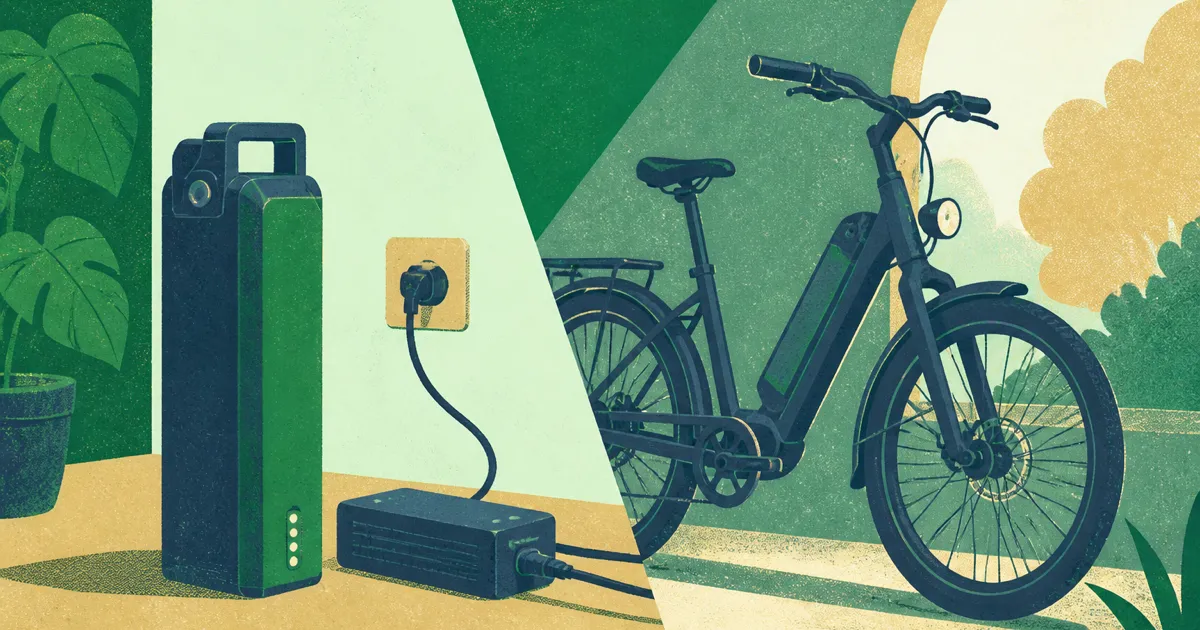
The short answer: Electric bike insurance cost in the UK reflects declared value, battery and motor cover, EAPC class, where you store the bike overnight, and your claims history. E-bike premiums are typically higher than analogue pedal cycle cover because the bike costs more and the electrical kit is a separate theft target.
Riders shopping for cover often start with one question: what will this cost? Honest answer: it depends on factors you control more than you might think. This guide explains what drives electric bike insurance cost without inventing headline prices that expire before you finish reading.
This is about pedal-assisted electric bicycles, not motorcycles. UK search results for "bike insurance" still surface motorbike products. If a form asks for engine capacity or a number plate, you are in the wrong place.
Our bicycle insurance pillar covers the wider UK cycle insurance picture. For e-bike-specific cover sections, start with electric bike insurance. This guide focuses on what moves the premium up or down.
Why e-bike cover usually costs more than pedal cover
An e-bike is typically worth more than a comparable analogue bike. The motor, battery, and display add replacement cost that insurers must price. Theft of a battery alone can be a four-figure loss on some models.
Insurers also assess e-bikes as higher-theft targets in many UK postcodes. Commuter e-bikes left at stations and workplace racks face the same away-from-home theft risk as road bikes, often with higher declared values attached.
Standard bicycle policies may accept some e-bikes and exclude others. A dedicated e-bike product or explicit e-bike endorsement usually costs more because the schedule covers components a basic policy skips.
Declared value: the biggest premium lever
Electric bike insurance cost tracks declared value more closely than almost any other factor. Declare the full replacement cost of the bike as ridden: frame, motor, battery, display, and meaningful upgrades.
Under-declaring cuts premium immediately and caps payout. Over-declaring without receipts triggers disputes. Gather proof before you quote: invoice, finance agreement, or clear second-hand evidence.
Battery upgrades change value. A higher-capacity replacement battery is not a silent modification. Insurers need to know before a claim, not after one. Our bicycle insurance quote guide lists documents worth keeping.
Update declared value when you add accessories: panniers, child seat mounts, or upgraded lights on a cargo e-bike all affect replacement cost.
Battery and motor: covered or excluded?
Not every policy treats the electrical kit the same way. Some cover battery and motor when attached to the bike. Others list the battery separately or exclude detached battery theft entirely.
A cheaper premium built on battery exclusion is expensive after a battery theft. Read whether cover applies when the battery is removed for charging, locked on the bike, or stored indoors separately.
Motor failure from accidental damage sits in another grey area. Wear and tear on drive units is commonly excluded. Crash damage may be covered on policies with accidental damage sections. Check what does cycle insurance cover for typical inclusions.
Display units and controllers carry smaller values but still add up on premium if declared. Include them in an honest total rather than hoping they are bundled silently.
EAPC class and product fit
UK law defines an electrically assisted pedal cycle (EAPC) by power and speed limits. Bikes within those limits are treated as bicycles for insurance purposes on most specialist policies.
Bikes outside EAPC limits may need moped-style insurance and registration. Trying to insure them on standard cycle cover produces a low premium and a declined claim. Product fit matters more than price hunting.
Imported or modified e-bikes need extra care. A tuned motor or removed speed limiter can void cover regardless of what you pay. Confirm legal class and insurer definitions side by side before you buy.
Storage and postcode risk
Where the e-bike sleeps overnight shapes premium significantly. Indoor hallway storage in a locked flat prices differently from a shed in a high-theft postcode or outdoor-only storage.
Be honest on the application. Insurers cross-check storage declarations against claim circumstances. A premium built on "garage" storage when the bike actually lives on a balcony is not a saving.
Some insurers differentiate communal bike rooms, monitored parking, and private garages. Read the definitions rather than guessing which label fits your setup.
Away-from-home use and commuting
Daily commuters who lock at work or stations pay for away-from-home theft cover. E-bike policies with weak overnight rules look cheaper until a Monday-morning rack theft.
Lock grade requirements apply in public. Sold Secure rated locks are standard on specialist schedules. Skipping a proper lock to save on hardware while paying for cover that requires it is a false economy.
Electric cargo bikes used for school runs face loaded theft risk: a parked bike with panniers and child seats is an attractive target. Away-from-home cover and honest declared value matter together.
Excess and optional extras
Raising excess trims premium modestly on most e-bike policies. It means more out-of-pocket cost per claim. For high declared values, compare total cost at claim time, not just the monthly figure.
Public liability and personal accident extras add premium. They may be worth carrying if you ride in busy urban traffic, but they are not mandatory on every schedule. Bundle only what you need.
Multi-bike households should compare whether listing an e-bike alongside a pedal bike on one schedule beats two separate policies. Total household cost beats a cheap single-bike headline.
Claims history and no-claims position
Previous theft or damage claims can raise renewal premiums on e-bike cover, as with any insurance product. Good locking habits and secure storage protect your no-claims discount over years.
Some insurers offer introductory discounts that taper at renewal. Electric bike insurance cost at year two may differ from year one. Recompare at renewal rather than auto-renewing.
Accurate declared value at claim time also protects future premiums. Disputed or reduced claims can affect renewal terms even when partial payout arrives.
Home contents vs dedicated e-bike cover
Home insurance may cover a low-value e-bike within single-item limits if away-from-home rules match your habits. That can be the lowest-cost route for a short-range leisure e-bike stored indoors.
Higher-value e-bikes often exceed home single-item caps. Away-from-home overnight restrictions on contents policies fail daily commuters. See does home insurance cover bikes before relying on home cover.
Dedicated e-bike cover costs more upfront but usually defines battery, motor, and theft-away-from-home terms clearly. Clarity has value when the alternative is a partial contents payout.
Ways to manage cost without hollow cover
Match cover to actual use rather than buying the broadest schedule available. A leisure rider who never leaves the bike overnight does not need the same away-from-home profile as a daily station commuter.
Secure indoor storage and a recognised lock grade move premium more than marginal excess tweaks. See cheap bicycle insurance for levers that cut cost without gutting cover.
Compare schedules line for line before you rank by monthly price. Two policies with similar premium can differ sharply on battery theft, overnight cover, and accidental damage.
Avoid misclassifying the bike to save money. The cheapest electric bike insurance cost is worthless if the insurer declines the claim because the product was wrong from the start.
Soft next steps
Browse related Pedly guides on the blog, including electric bike insurance, do ebikes need insurance, bicycle insurance, cheap bicycle insurance, and what does cycle insurance cover.
Frequently Asked Questions
Why is electric bike insurance cost typically higher than pedal bike cover?
E-bikes carry higher declared values and include a motor and battery that are theft targets. Insurers price the extra components and the higher replacement cost, not just the frame.
Does the battery affect electric bike insurance cost?
Yes. Whether the battery is covered, listed separately, and included in declared value all affect premium. A policy that excludes the battery may look cheaper but leaves the most expensive part uninsured.
Does EAPC class change what I pay for e-bike insurance?
It can. Bikes outside UK electrically assisted pedal cycle limits may need a different product entirely. Insuring a misclassified bike on a standard cycle policy saves money until claim time.
Will secure storage reduce my electric bike insurance cost?
Usually yes. Indoor overnight storage and recognised lock grades move premiums more than small excess tweaks. Honest storage answers matter as much as the lock you buy.
Does claims history affect electric bike insurance cost?
Like any insurance, previous theft or damage claims can raise renewal premiums. Good security and accurate declared value protect your no-claims position over time.
Can I reduce electric bike insurance cost by using home contents cover?
Sometimes for low-value e-bikes with tight single-item limits and no away-from-home commuting. Higher-value e-bikes often exceed home limits and need dedicated cover.